
FQA
The Potential Hazards of Poor-Quality Water for Industrial Boilers

Industrial boilers typically use tap water or groundwater as their water source. Although this water may appear clean and transparent, impurities in untreated water can easily form scale during boiler operations. The formation of scale increases the required furnace temperature to achieve the desired heat transfer, negatively impacting thermal conductivity and accelerating the corrosion of boiler metal. This significantly affects the operational efficiency and lifespan of boiler equipment.
By appropriately treating boiler water and using specialized water treatment agents, it is possible to effectively reduce corrosion, scaling, and sediment formation. This lowers the risk of equipment damage and maintenance, extends the equipment’s service life, and reduces maintenance costs.
Key water quality issues in boiler water treatment include hardness, alkalinity, oxygen content, and dissolved solids.
Preventing Scale Accumulation
Boiler water contains hardness components such as calcium and magnesium, as well as dissolved salts. When water is heated and evaporated, these substances deposit on boiler walls, forming scale. Scale accumulation significantly reduces heat exchange efficiency, increases energy consumption, and may lead to pipe blockages and boiler damage.
Using boiler water treatment agents can effectively remove and disperse scale deposits already adhered to boiler tubes.
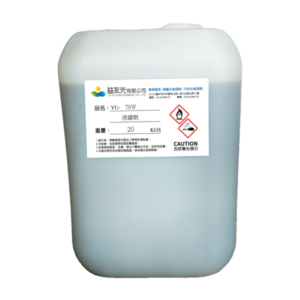
 High-Performance Boiler Scale Dispersant
Excess Dissolved Oxygen
Oxygen and acidic substances in water can cause corrosion of the metal components in boilers. Corrosion results in equipment damage, leaks, and reduced equipment lifespan. It is characterized by localized pitting corrosion with strong penetration, posing a severe threat to the safe operation of boilers.
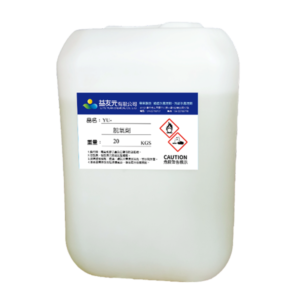
High-performance deoxygenation catalysts can rapidly remove dissolved oxygen from water, with a deoxygenation rate 20 to 500 times faster than traditional sulfite treatments, effectively preventing metal pitting corrosion.
Preventing Carbonate Corrosion
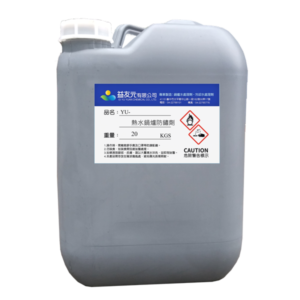
In boiler steam condensate, oxygen and carbon dioxide can cause corrosion in recovery pipelines. Controlling the pH of recovered water effectively prevents the formation of carbonate corrosion in pipelines.
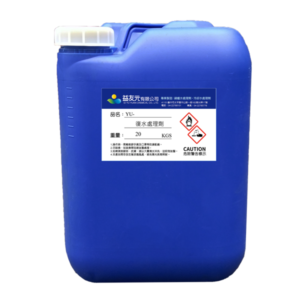
Preventing Iron Corrosion
Iron ions in boiler water can form iron scale on inner walls, accelerating the corrosion of metallic iron and creating a vicious cycle of iron corrosion. By forming a protective film on metal surfaces, equipment can be effectively safeguarded against corrosion. Adding appropriate agents can create a passivation film, reducing the release of iron ions and protecting pipelines while inhibiting the deposition of scale and corrosion.